Knowing how to choose the right size accessories is an important skill but one that is easy to master. Have you ever put on a piece of jewelry and even though you love it thought it just didn't look right? You just can't put your finger on the problem but you take it off and try something else. Of course, there could be a few reasons for feeling dissatisfied with the piece, but a common reason is its scale, or size. Accessories that are appropriately scaled for our own body’s scale usually create better visual harmony and balance. Knowing our own scale is extremely useful when making accessory choices. A person's body scale typically refers to their overall size or dimensions.
Another consideration is that the scale of an accessory, like a pendant for example can visually impact the perceived area where it sits. For example, a very tiny pendant lying on a very generous bust creates the impression that the bust is larger and the pendant smaller. Larger pieces placed on smaller scale bodies serve only to accentuate their smaller size. How does that work? Take a look at the image below and you will see that the central circle on the left looks larger than on the right and that’s because the surrounding circles on the left are smaller than their counterparts on the right. And of course, the central circles are the same size. That’s the power of optical illusion.

Here are the primary factors that determine one's body scale:
As a general rule of thumb, if you can be described as petite, your body scale will be small. If you are an average weight and somewhere between 164 and 175 cm tall, your body scale will be medium. Being tall, more than 175 cm and especially if you have a large frame generally means your body scale will be large. If you are significantly overweight, you are also likely to be a large body scale.
If your personal body scale is large, your most flattering accessories will be medium to large scale. Dainty delicate pieces will be lost on you. However, if you have some beautiful fine chains or necklaces and don’t want to leave them languishing in your jewelry drawer, try wearing multiple pieces simultaneously. This can create medium scale and look great. Similarly, if your handbag is a tad tiny, tie a fabulous scarf to the handle to create a more significant piece. A large body scale is made for stunning statement accessories. So upscale your accessories and create your own knock-out personal style.


If your personal body scale is medium then you are spoilt for choice. You can look great in small, medium or large accessories. The most important determining factor for you will be your style personality. Circumstances and occasions will also determine the most appropriate scale for your accessory choices.

Multiple fine or small chains and necklaces can create medium scale.

If you have a small body scale your most appropriate accessory scale will be small to medium. Choosing accessories that harmonise with your own body scale helps to create a balanced visual image. Over sized pieces on small or slight individuals can detract from your appearance by being too much of a distraction. The star of the show should be you!


If you would like to learn more about your body proportions an AbFab style analysis is the perfect way to do just that. You can find details of my next style workshop here Events - AbFab (abfabstyle.com) or visit MPS - My Private Stylist
Just like your most flattering colours reflect your own colour characteristics, so it is true for patterns and prints. In order to choose patterns which complement your colouring, you need to be able to identify your key characteristics.
For those with high contrast in their colouring such as Bright and Cool Winters, patterns which are bold and highly contrasted look wonderful. Patterns which combine bright, saturated hues such as hot pink and turquoise, emerald and violet, and true red and cobalt blue will look dynamic and startling. Geometric prints and abstracts are top of the list but highly stylised florals particularly on black backgrounds are also great.
For those with low contrast and muted intensity like Soft Summers, and Soft and Muted autumns, monochromatic combinations create low contrast patterns. This means pairing slightly different shades of the same hue, such as a medium blue with a darker one. If you are fair with low contrast like some Soft Summers, stick with light to medium hues - pastels are perfect. If you are dark with low contrast, stay with darker monochromatic prints.
Mixing a neutral and a colour of similar value (depth) also creates low contrast.
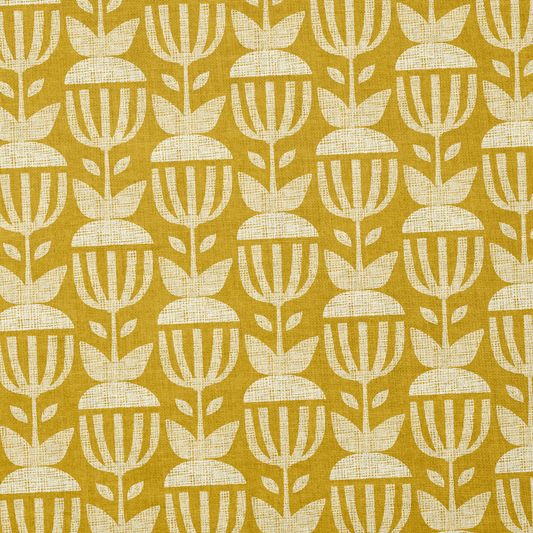
The important thing is to avoid patterns that incorporate colours from the opposite side of the colour wheel e.g. blue and orange.
Soft and muted colouring, will be flattered by patterns that can also be described as gentle and delicate, and having soft edges; think water colours and florals. The elements of the pattern should be small and disorganised. Choose autumnal colours if you are a Warm and blue-based colours if you are a Cool.
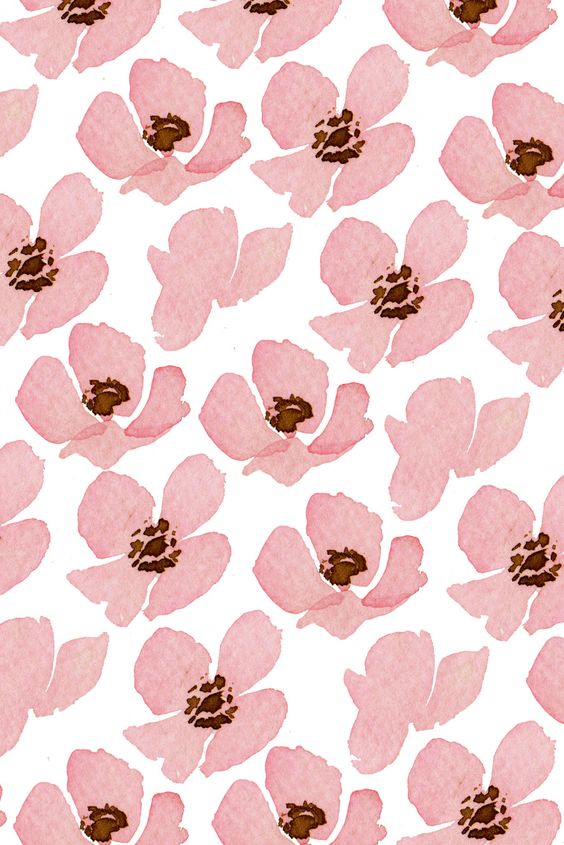
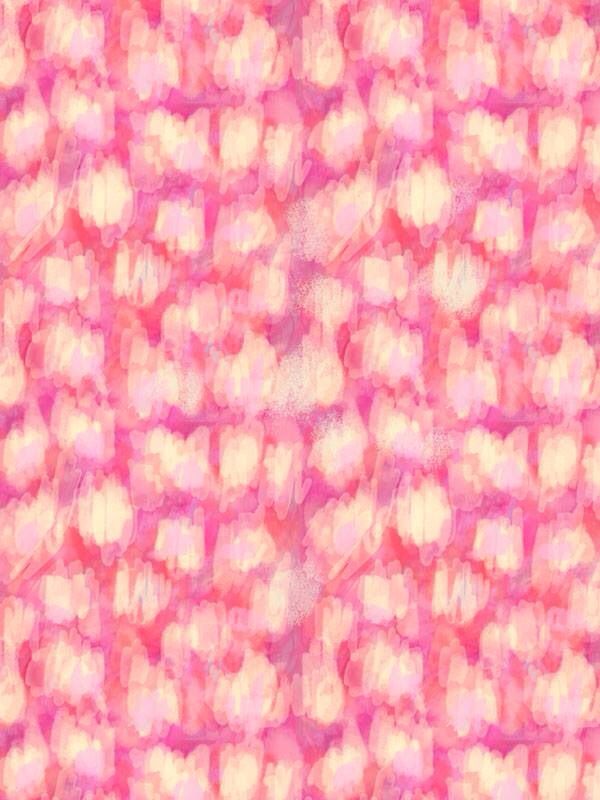
Avoid ordered geometric patterns in particular.
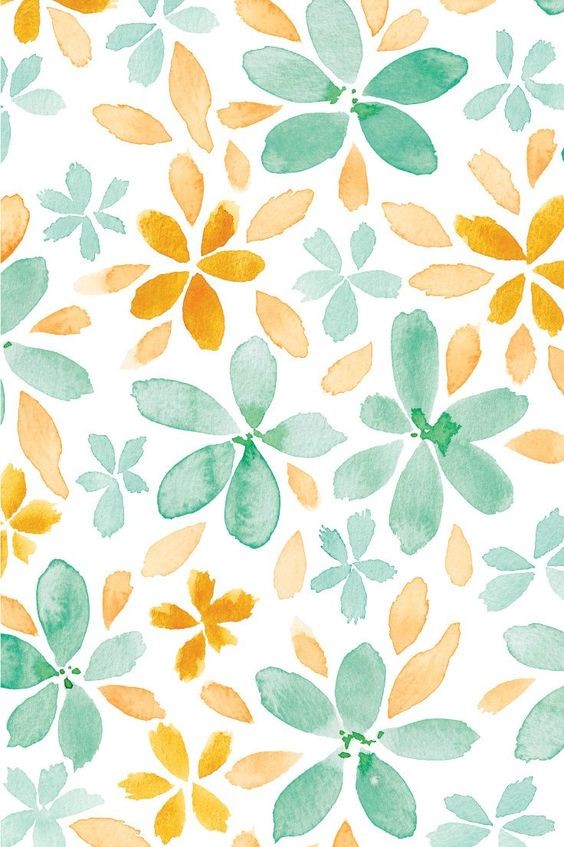
If your value is light, as for Light Springs and Light Summers, patterns with deep, strong colours will overwhelm and overpower you. The former will sparkle in fun, busy and colourful patterns combining gelato tints of yellow, mauve, peach and/or aqua. The latter will shine in slightly more subdued blends of pastel pinks, blue, mauve and mint. Both look lovely in pretty florals and even soft edged geometric patterns.
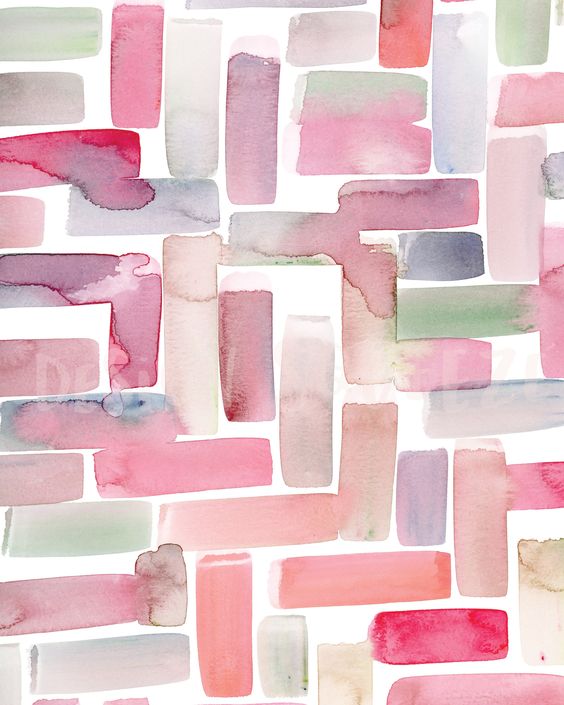
If you are one of the deeper seasons like Deep Autumn or Deep Winter, you will be underwhelmed and washed out by floral pastels and soft abstracts. Your best prints will match the strength of your colouring. Low contrasts will not be as wonderful as high contrasted patterns. Look for bold prints especially containing unusual and unexpected elements. Geometric patterns with round and angular shapes mixed together are perfect as are defined abstract prints. Combinations of pure colours from the opposite side of the colour wheel make great patterns for deep colouring while black backgrounds punctuated with pops of vivid colour are especially flattering on Deep Winters.
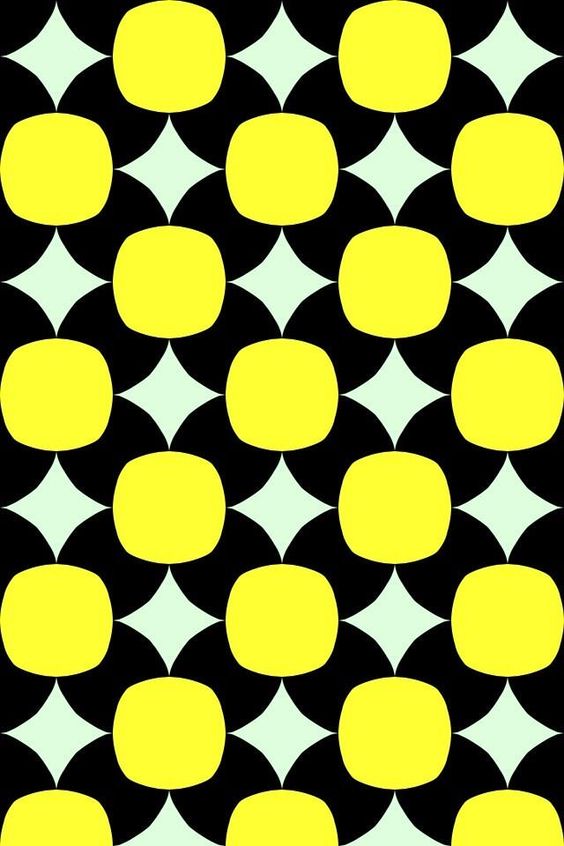
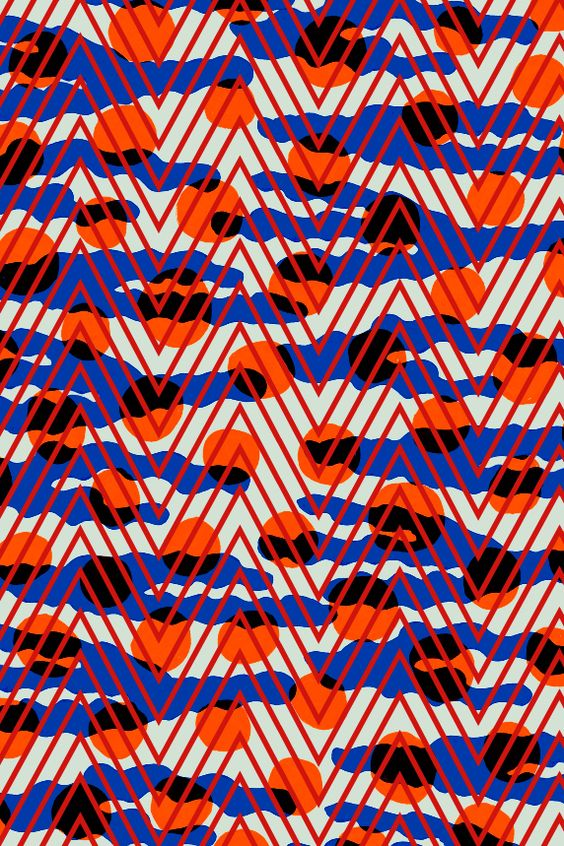
And if you're not sure how to choose your patterns which complement your colouring because you are unsure of your key colour characteristics, consider having a colour analysis. It will take the guess work out of shopping, save you money and save you time. For more information click here. Colour Analysis - AbFab (abfabstyle.com)
Which greens are your most flattering if you are a Soft Dominant season? There is huge variation in the colour green, and that variety means there is definitely a green for all seasons. There are light greens, dark greens, bright greens, muted greens, yellow greens and blue greens. In my previous post I talked about the fact that everyone can look fabulous in green, but the question is with so many to choose from, which greens are your most flattering? To find the ones which will look loveliest on a Soft Dominant season, you must find a green that shares your temperature, intensity and value. This means you should choose greens of medium depth, have a muted intensity and ideally, have the same undertone as you.
This is the dominant or primary characteristic of these seasons. The greens which will look good on both of them will therefore have a muted or greyed down quality. Their best colours, green or otherwise range from very low to medium intensity. Neither season will be particularly flattered by clear and bright hues, these will actually overwhelm them. Instead, they look fabulous in softened, dusty, greyed down shades. And again, it is worth mentioning that a fabric’s surface affects intensity. Shiny surfaces like satin, lamé and sequins make colours brighter while matte fabrics such as chiffon, tulle and wool soften them.
SOFT Warms and SOFT Cools have a very similar value profile. They both sit in the middle of the value spectrum meaning medium light to medium deep colours are their best. Very light colours, especially when worn alone will wash them out and very dark colours will be too heavy. Medium value greens include moss, khaki and mint.
This is the characteristic which truly differentiates the two soft seasons. SOFT Warms have a yellow-based undertone, SOFT Cools have a blue-based one. Remembering that green is a secondary colour made up of yellow and blue, those greens which have a higher percentage of yellow will be most flattering on Softs with a warm undertone, and those with a higher percentage of blue will complement Softs with a cool undertone.
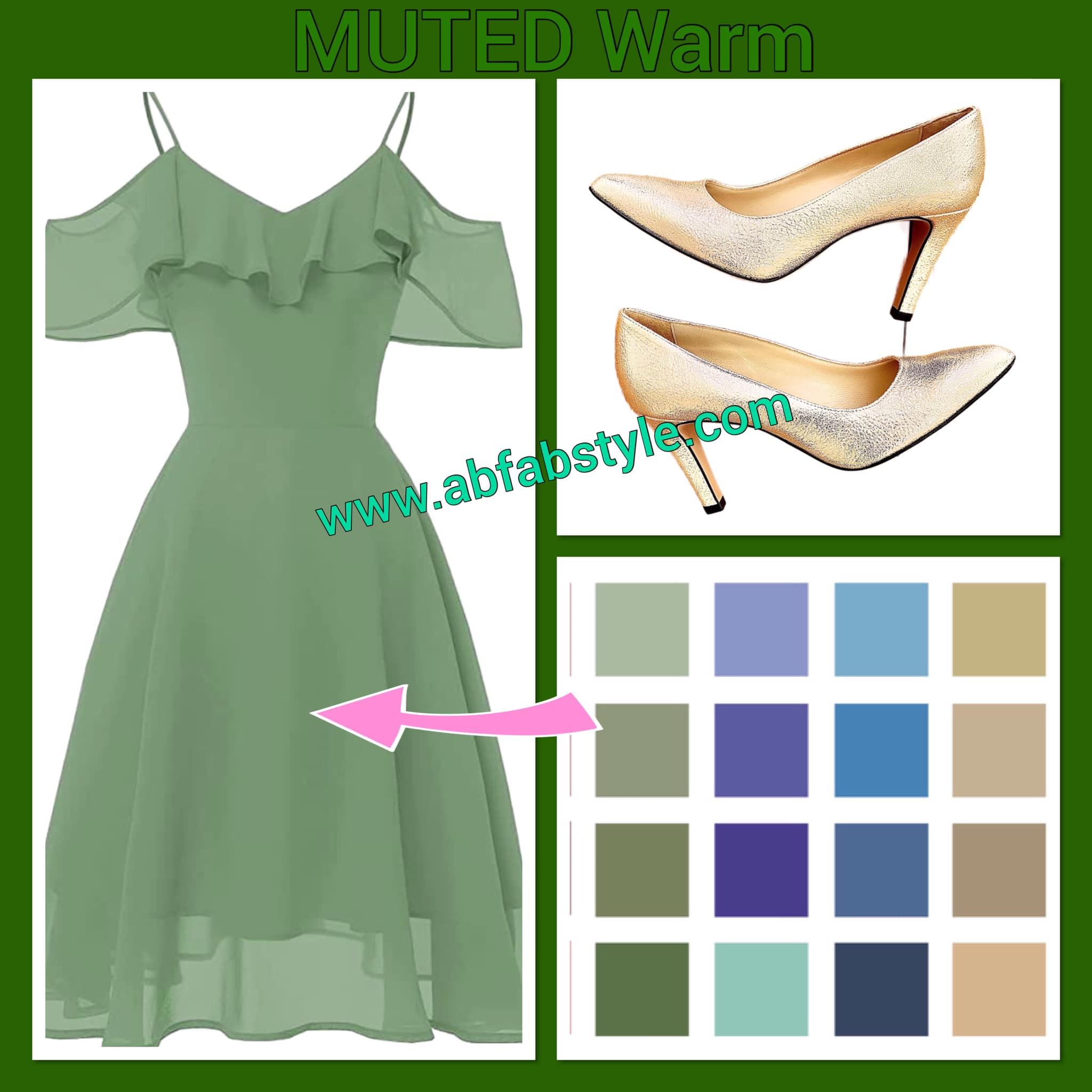
So, which greens are your most flattering? Considering all three colour characteristics, the best choice for a SOFT Warm will be muted, medium light to medium deep yellow-greens.
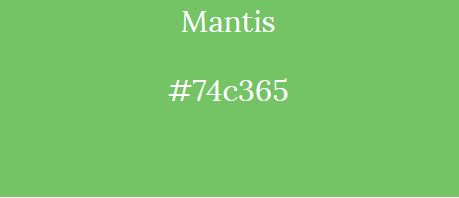
So, which greens are your most flattering? The best choice for a SOFT Cool, will be muted, medium light to medium deep, blue-greens.
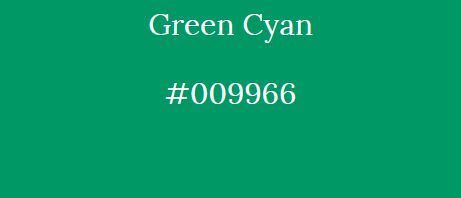
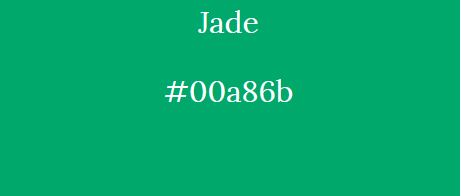
To conclude, take a look at the images below and you will see that both dresses are soft, medium light greens but one has obviously more yellow in it than the other. So, while both seasons could successfully wear either, it is still true to say that the warm green will be best on the Soft Warms and the cool green will be best on the SOFT Cools.
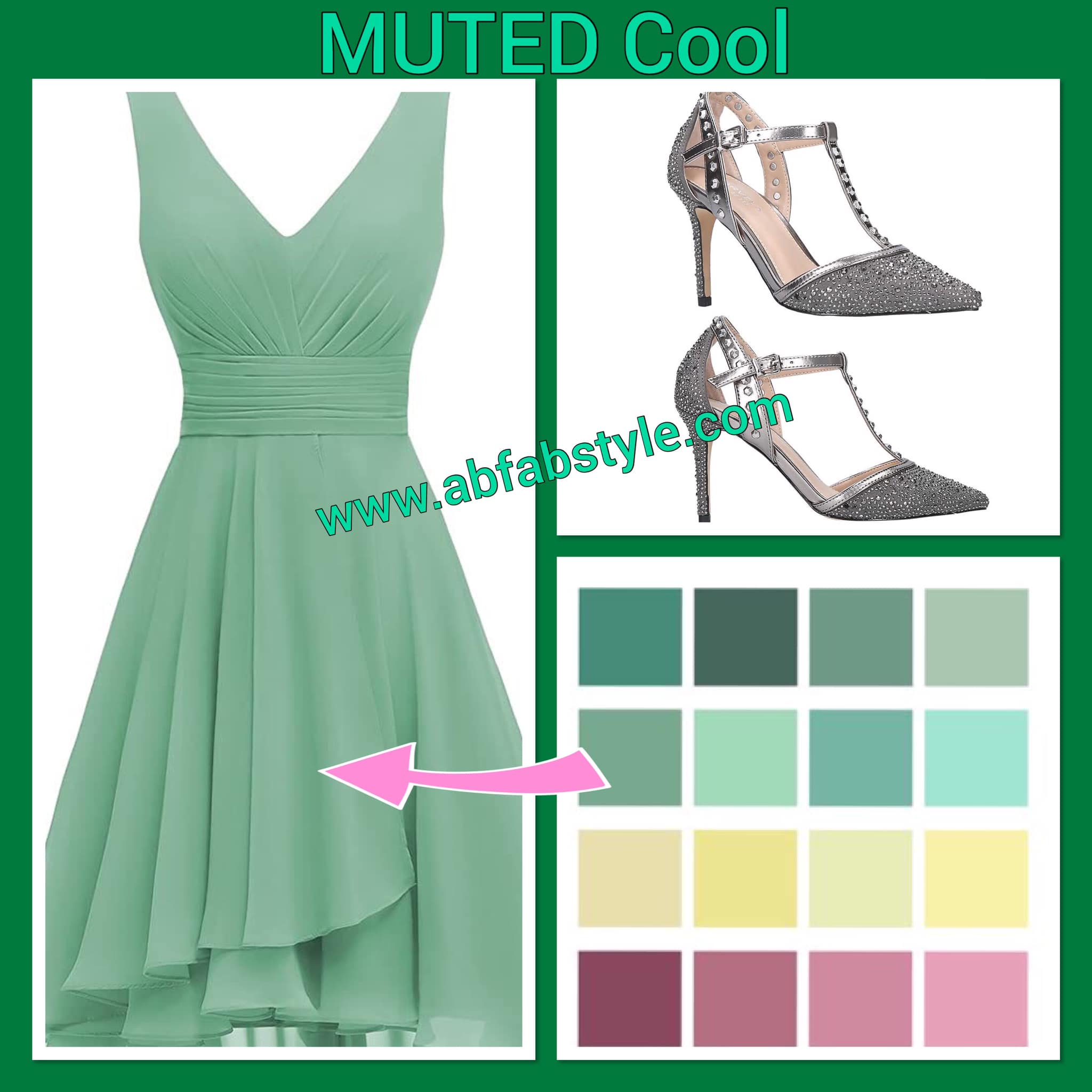
And if you are unsure what your dominant colour characteristic is, or you'd like to know more about colour analysis and what it entails, click here for more information. Colour Analysis - AbFab (abfabstyle.com)
COOL Clear (Cool Winter) and COOL Muted (Cool Summer)
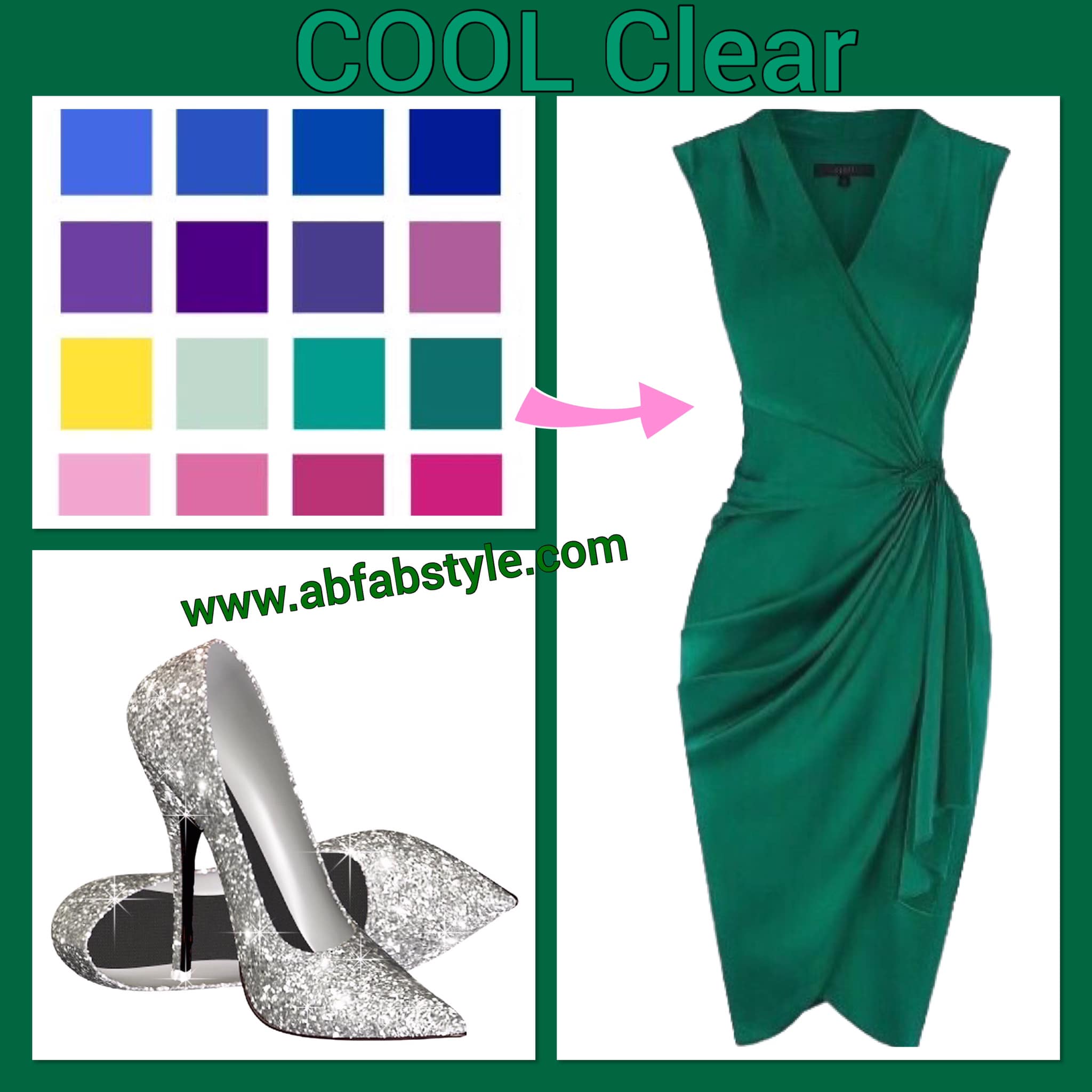
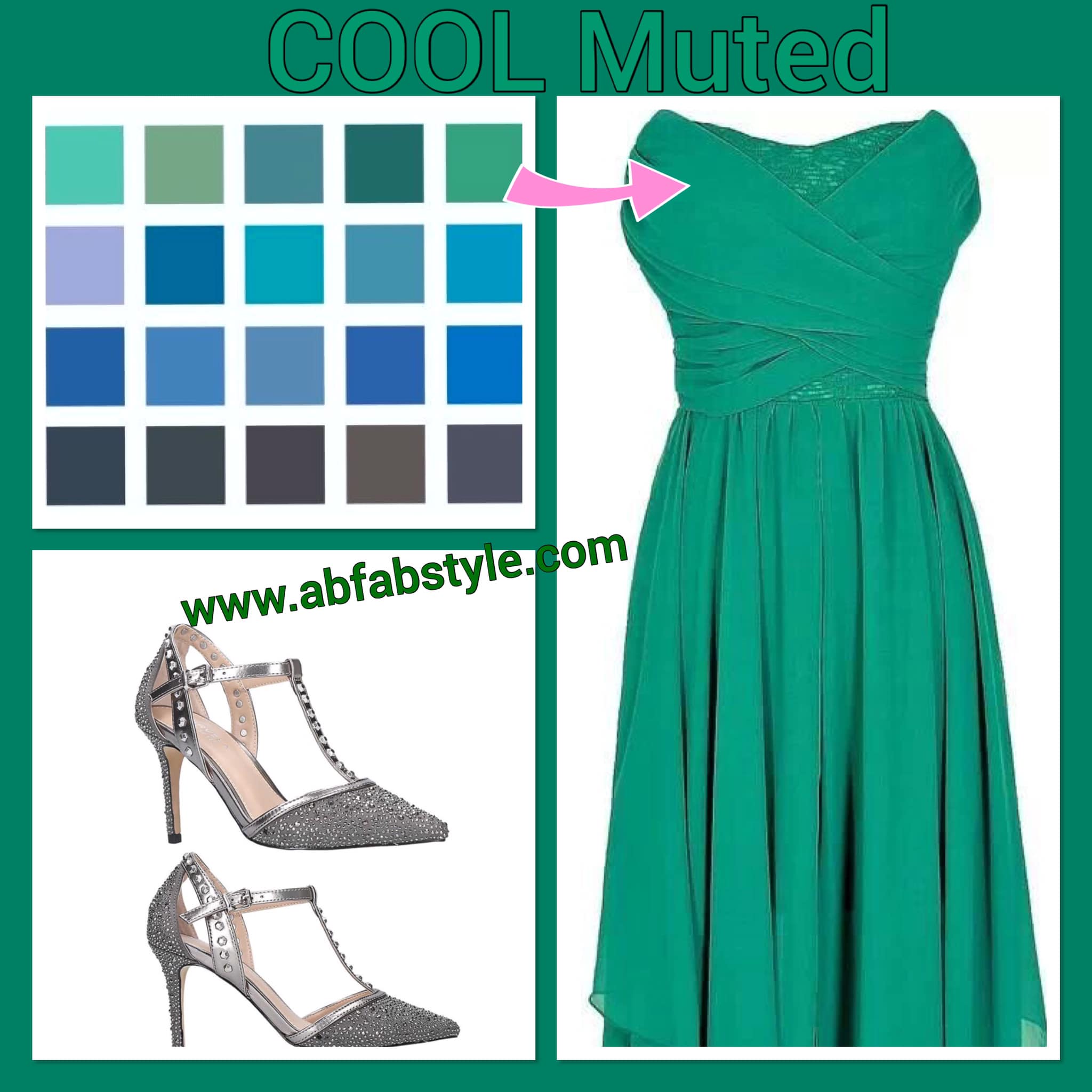
Everyone can look fabulous in green, the trick is knowing which greens suit your season. There are a range of greens for all seasons! To find the ones which will look lovely on you, you must consider the three characteristics of all colours; temperature, intensity and value. When you share the same three characteristics as the green you're considering, you can be very confident that it will look fabulous on you.
Greens for the Cool Dominant Seasons: Temperature
By way of example, let's begin by focusing on the Cool Dominant categories: COOL Clear and COOL Muted. These two categories share a cool undertone or temperature as their dominant characteristic. The greens which will look good on them therefore have a COOL or blue undertone. They will both have several greens in common in their palette or swatch.
Greens for the Cool Dominant Seasons: Intensity
An important difference between the two Cool Dominant categories is intensity. COOL Clears look their absolute best in colours which have high to medium intensity meaning they are clear to slightly muted. So, blue- based greens which are clear to slightly muted will harmonise beautifully with them. COOL Muteds on the other hand, are best in slightly softer shades. Their best intensity ranges from low to medium high. They will look fabulous in softened, blue-based greens. And the greens these two categories have in common, as well as being blue-based, will be medium in intensity. It's worth mentioning here that a fabric's surface affects intensity. So, a factor to consider when choosing a garment is whether the fabric is shiny or matte. Highly reflective surfaces make colours appear clearer while matte ones soften colours. So, even when both seasons share the same greens, what can make the greens even more fabulous for each, is the surface of the fabric.
Greens for the Cool Dominant Seasons: Value
The third colour characteristic which determines whether a blue-based green suits a Cool Dominant is its value. COOL Clears can look wonderful in very light all the way through to very dark greens however, COOL Muteds look best in medium light through to medium deep greens. Bearing this in mind, the greens they have in common as well as being blue based and medium intensity will be medium depth; neither too light or too dark.
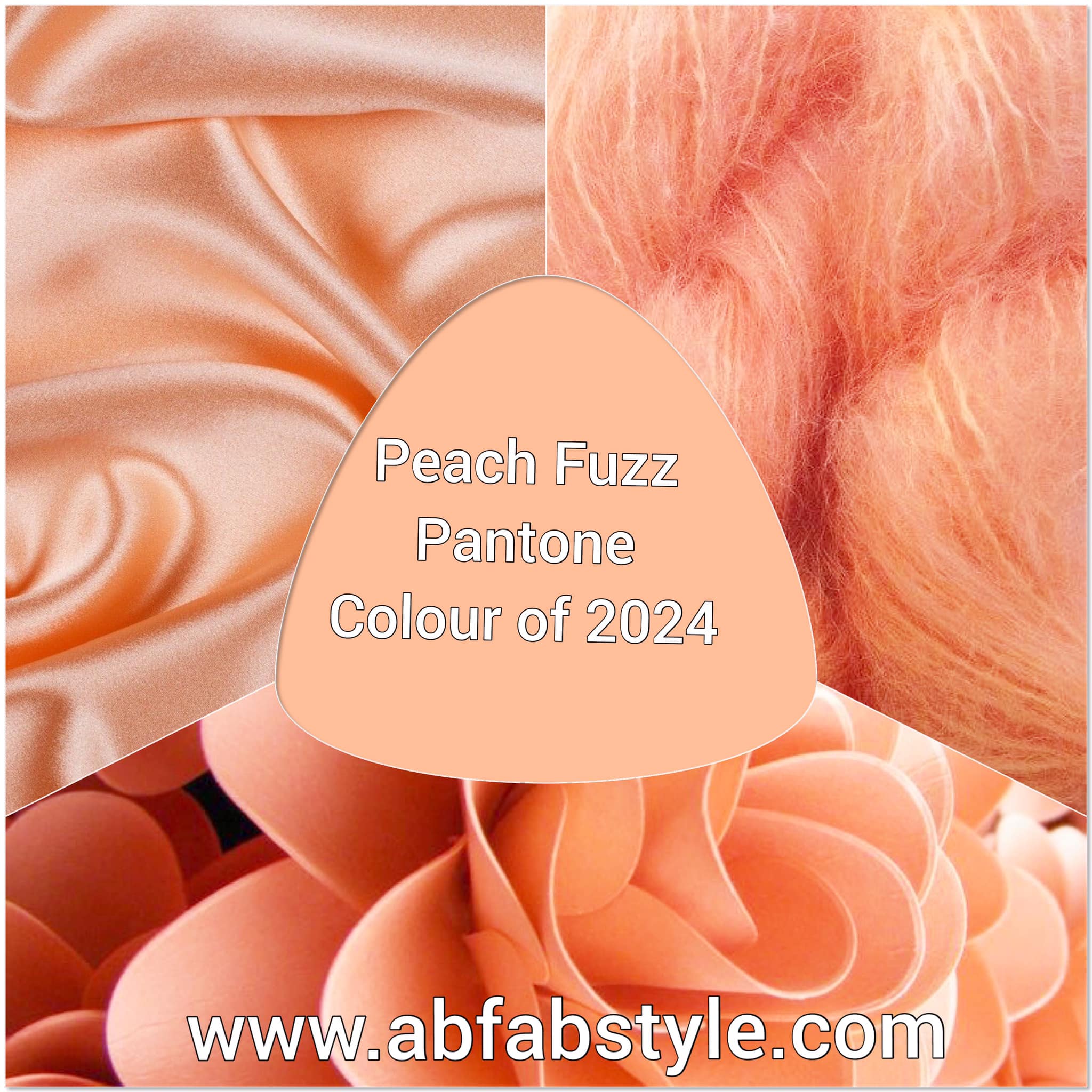
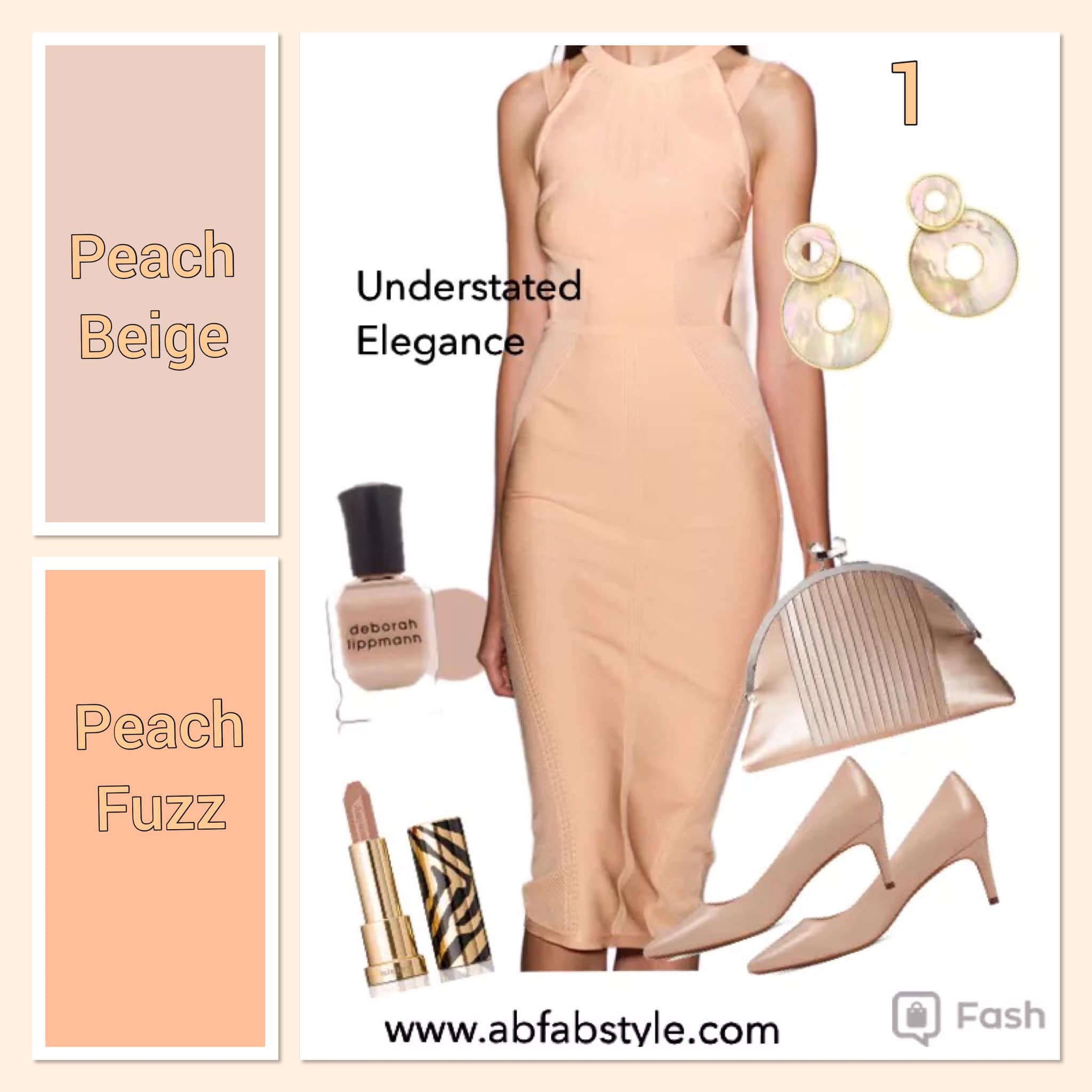
Peach Fuzz is Pantone's colour of the year which is why you may have noticed lots of peachy hues in the stores lately. It’s a light, warm and muted tint; very pretty and very feminine on the right person. It’s perfect for a LIGHT or SOFT Warm. However, LIGHT Cools and SOFT Cools could work with it as well.
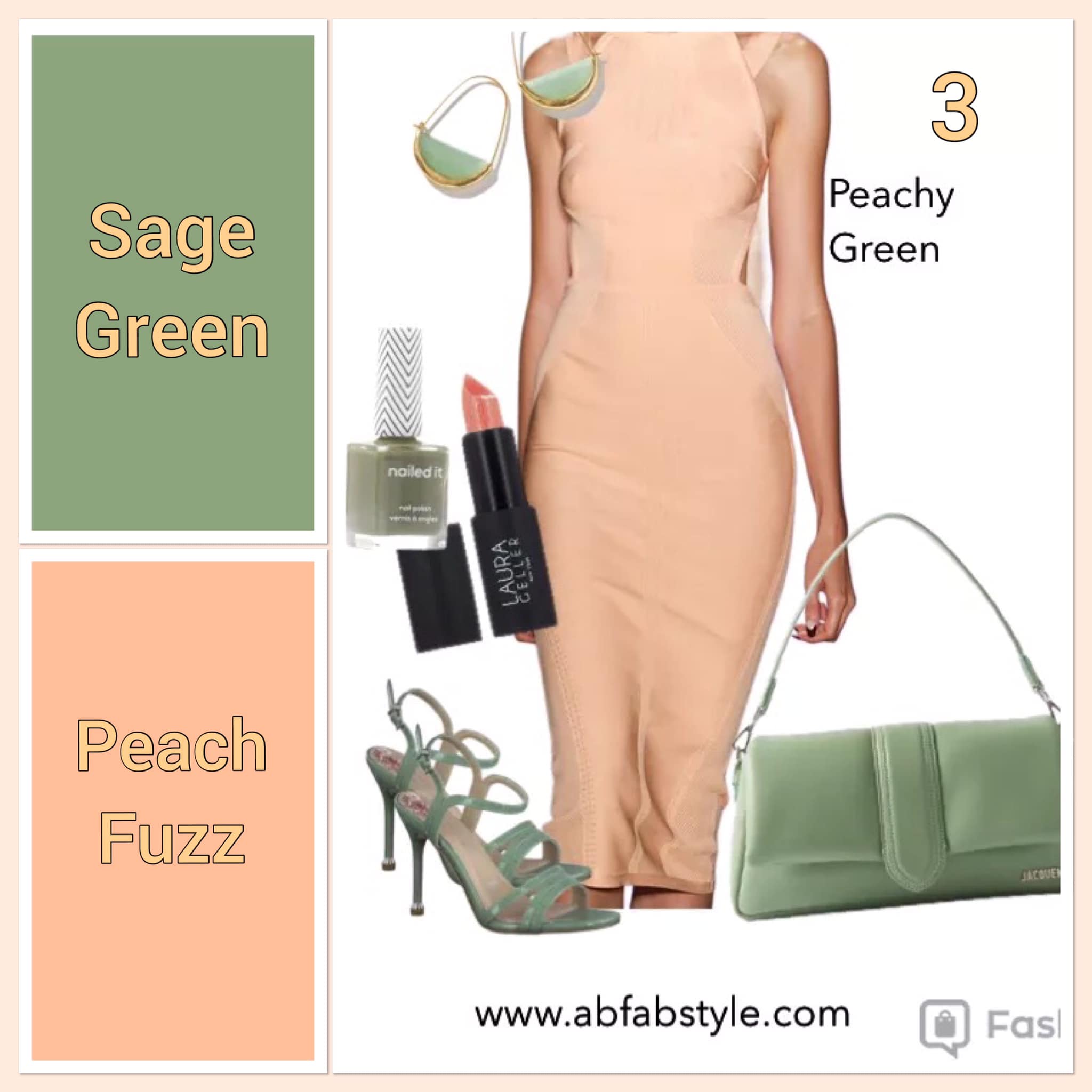
If low contrast against your skin works well for you, then Peach Fuzz, Pantone's colour of the year worn alone will look lovely. However, if you are more flattered by medium contrast, think about combining it with another colour for best effect. If your colouring is quite deep, Peach Fuzz will work better if paired with a deeper shade like dark brown, forest green or bronze. However you wear it, Peach Fuzz will impart an air of quiet, understated elegance to your visual image. If you like to dress in a way that is welcoming and reassuring to those around you, this colour may be a perfect addition to your wardrobe.
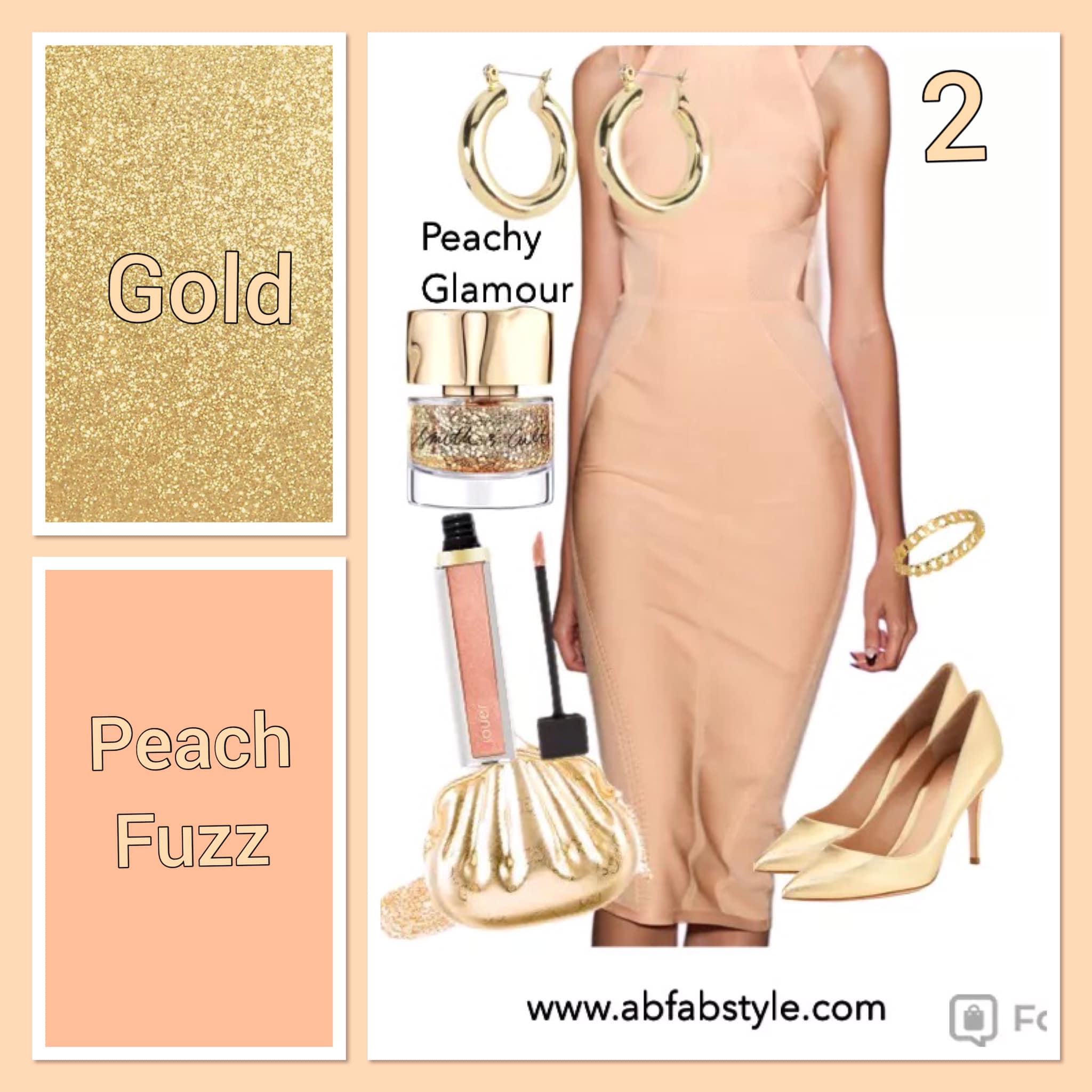
Peach Fuzz will work equally well in casual and formal settings. As a t-shirt paired with blue denim jeans, it will look relaxed and easy. In silk or satin, it will add a calm sophistication to any after-five outfit, especially when teamed with soft gold accessories.
For me personally, it doesn’t tick any boxes, but I have friends and clients who will look absolutely lovely in Peach Fuzz and will be spoilt for choice when shopping this year. Do you think Peach Fuzz could be in your colour wheelhouse? Perhaps one of these colour combinations appeals to you.
And if you’re not sure, an AbFab colour analysis will answer that question and many others you may have around your colour choices.
Summer 2023 is here, and that means it's time to update your wardrobe with the latest fashion trends. Or is it? Just because something is on trend doesn’t mean it should be mindlessly adopted by us all. Before adding the latest ‘in’ thing to your wardrobe, there’s a few factors to consider if your goal is to look absolutely fabulous and stylish.
So, with that said, here’s some of what you can expect to see in stores this summer.
1. Romantic Rosettes.
Romantic style personalities are going to love this one. These delicate floral accents have been popping up on dresses, chokers, and even swimsuits. Anyone remember the 80’s? Well, these pretty embellishments were popular then and they are making a comeback this year. Should you embrace it? Well, your body shape and colouring shouldn’t determine whether this trend works for you. It’s going to be all about your style personality.

2. Sheer Clothing.
It’s usually only a daring few who feel comfortable exposing parts of their bodies generally only revealed at the beach. So, at first glance you might think this is a trend only for the Alluring / Sexy style personalities, but it is a trend which can be adopted by all body types and colouring. The only caveat may be how much skin you care to reveal and on what part of your body. So, if you’re sporting a lot of sun damaged or crepey skin on your arms, legs or décolletage, you may not want to go too sheer. After all, style is about highlighting our positive attributes and minimising any negative ones. A more universally flattering version of this trend is to layer sheer pieces over opaque ones. Do this to create an ethereal look that is current and contemporary.
3. The Peplum.
If you're looking for a flattering and stylish option, you may want to try this trend. It certainly adds shape and definition, making it perfect for those who want to accentuate their waist. It’s a great style strategy for rectangles with straighter torsos. It’s also a clever enhancement for inverted triangles by balancing their broad shoulders. However, if you have a triangle body shape, be careful. Peplums made of stiff fabrics that stand out from the body add unwanted volume to the lower half exacerbating horizontal imbalance. However, if the peplum is made of soft fabric which sits close to the body, the enlarging effect can be minimised.

4. Oversized Garments.
I can hear all of you Classics groaning at the thought but if your style is Natural Relaxed, then you’re possibly going to love this fashion trend for summer 2023. Comfort is the key word here. Baggy t-shirts and unstructured blazers will offer an effortless and casual look that requires little effort. The caveat here is if you’re carrying weight or you have a horizontally unbalanced body shape. Adding conspicuous volume isn’t a desirable thing for many of us. If you’re a size 8 and don’t mind looking a size 12 go for it but as a size 14, I’m not rushing out to look a size 18. How about you? A more figure flattering way to incorporate this trend is to wear one oversized garment with another more streamlined one. All over bagginess will make you appear heavier. However, if you choose to add a little volume only to your smaller half, you could actually create some visual balance. Think slim tank top with oversized pants. Or wide top over slim pants. So, before discounting the idea entirely, this trend may be worth trying on for size, no pun intended.

Summer is a time for having fun, socialising with friends, holidays and simply enjoying blue skies and sunshine. Summer fashion reflects this lighthearted time of year. So, don't be afraid to experiment with different trends and find what works best for you. Whether you're embracing sheer clothing, romantic rosettes or oversized pieces, be sure to enjoy your summer fashion with or without these fashion trends for summer 2023.
Do you have a classic style personality?
A classic style personality prefers timeless looks that are stylish year after year. They are not interested in throwaway fashion and would rather have fewer, quality pieces in their closet. It is epitomised by unfussy designs, regular shapes, thoughtful co-ordination and a degree of conservatism. They tend to gravitate towards well-cut pieces in good quality fabric. Their closet is likely to have a lot of neutrals, but they also appreciate classic shades like red, blue and green, and classic patterns like polka dots, animal print, and stripes. So, it’s no wonder that classic style personalities appear elegant, refined, and well put together.
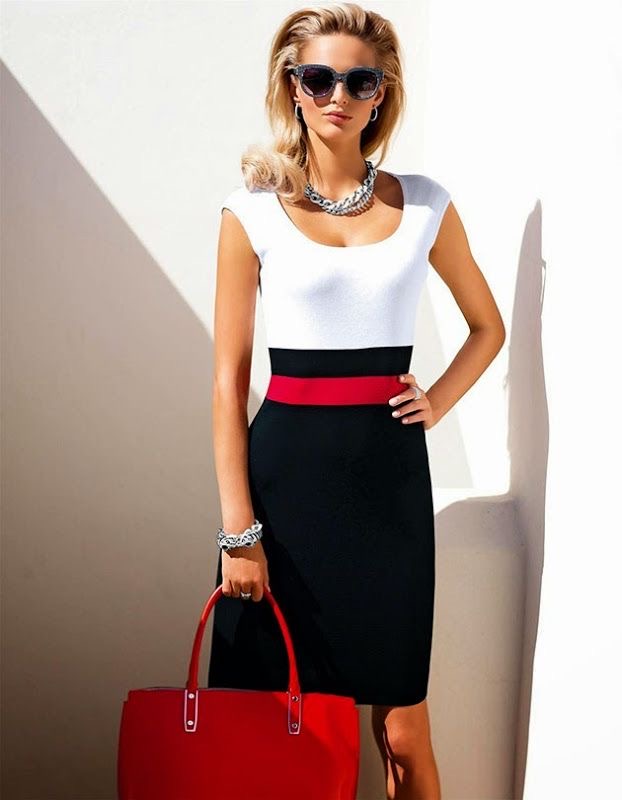
Classic Style in the Real World.
Classic style personalities value good grooming, order, discretion and efficiency. In their personal interactions they appreciate attention to detail, good manners and good taste. They create an impression of reliability, professionalism and stability. They always look appropriate.
For these reasons, at work their style is well suited to corporate roles and office administration. Their style is compatible with professions such as lawyer, accountant, business executive, flight attendant and receptionist.
Famous Classic Style Personalities
Celebrities past and present with a Classic style personality include Kate Winslet, Audrey Hepburn and Kate Middleton.
Preferences of a True Classic Style.
Things that a classic style shuns.
So what do you think?
Do the items in these lists ring true for you? Maybe? An AbFab Style consultation includes a careful analysis of your style personality so that you better understand your preferences but more importantly, so you can make a conscious choice to cultivate the style that sits well with you. Learn more at https://abfabstyle.com/personal-services/style-analysis/

When it comes to dressing our body type, we often hear about the horizontal body shapes, pears, apples, triangles, rectangles or whatever other names stylists have conjured up. However, the vertical body type is just as important. It focuses on the balance between your torso and your legs. Today I’m suggesting some do’s and don’ts if you have a long torso and short legs; don't worry, you're not alone! These vertical proportions are more common in shorter people but I have assessed many tall men and women with these proportions. Their legs may be long compared to someone of petite stature but this is about THEIR leg length relative to THEIR torso length.
It's worth noting here that if you have a long torso and short legs, the plus side is you are long-waisted and this gives you some styling options balanced bodies or long legged bodies don’t have. Think layering your tops - short jacket over slightly longer top.
Before I give you my list of recommended do’s and don’ts, remember that your horizontal body shape and other features like a sway back or large bust for example, may mean not all these do’s will work for every short legged person out there. So, with that caveat in mind let’s talk about some general styling tips that can create visual balance for the long waisted body type.
THE DO LIST
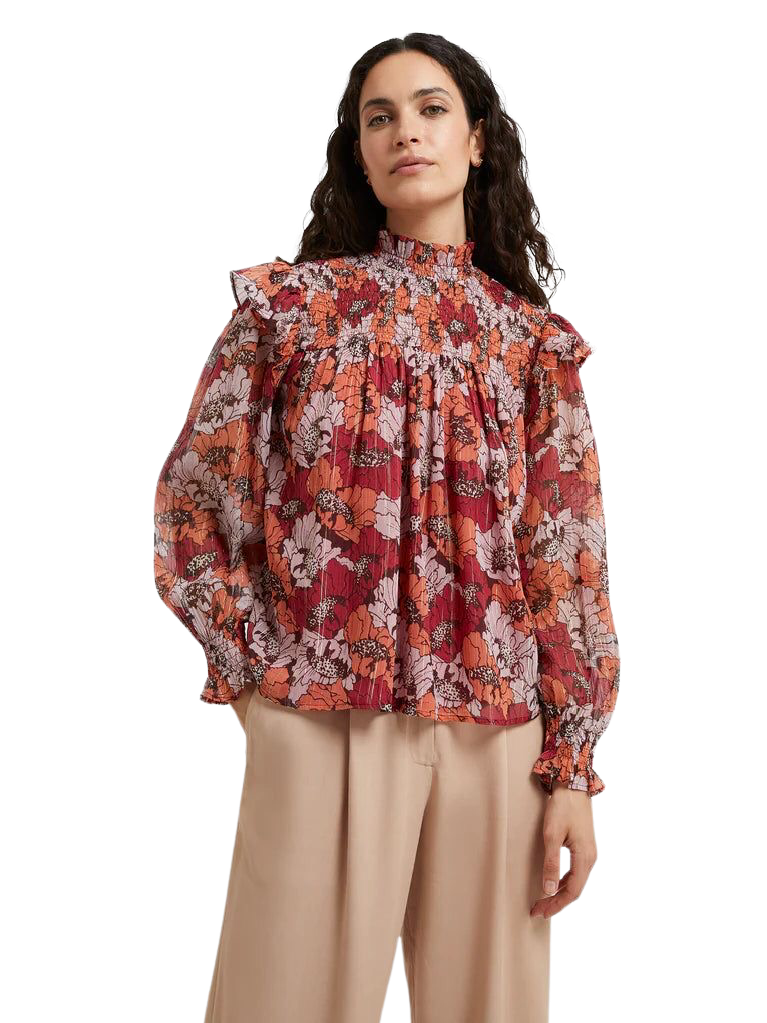
Floaty tops disguise where your torso ends.
2. Wear a dress! Dresses make it less obvious where your torso ends and your legs begin. By the way jumpsuits can work just as well.
3. Add a belt higher up than your natural waistline to maximise the effect of rebalancing your proportions.
4. Wear longer length dresses, skirts or pants; it’s the continuation of colour that gives the illusion of greater length. If worn with heels, your legs will appear even longer.
5. Stick to slim or straight-legged pants.
6. Incorporate clothing, especially bottoms with vertical stripes or patterns into your wardrobe. Vertical lines have an elongating effect.
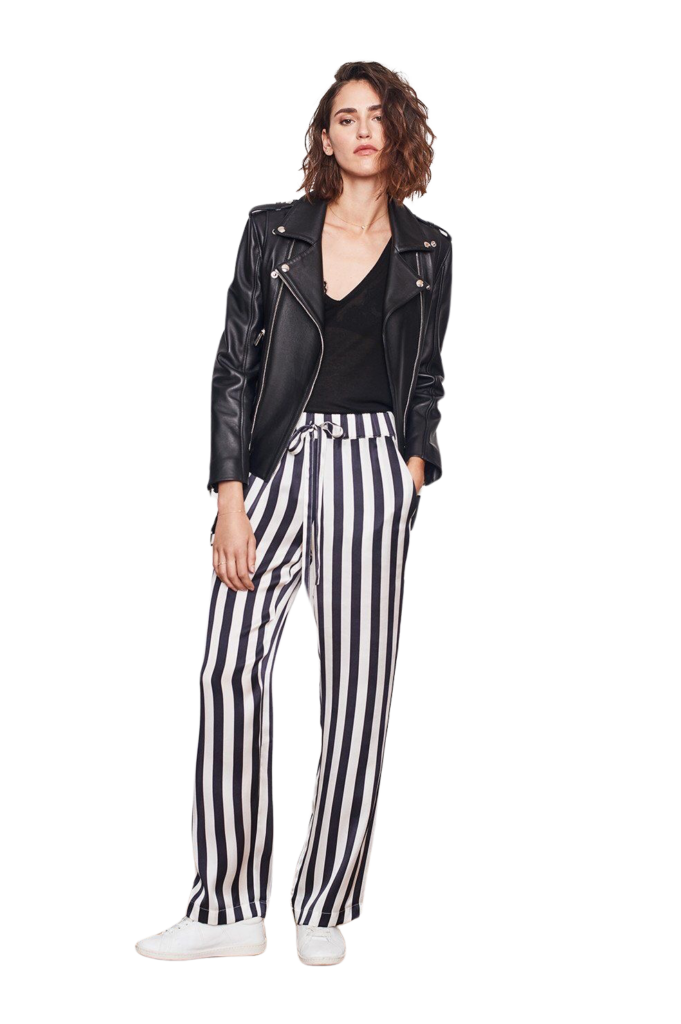
Vertical influence elongates the area where it sits.
7. Preference high-waisted pants, skirts, and shorts to visually lengthen your legs
8. Hip length or shorter length jackets balance the length of your torso more readily, especially when you’re not wearing heels.
9. Tuck your tops into your waistband.
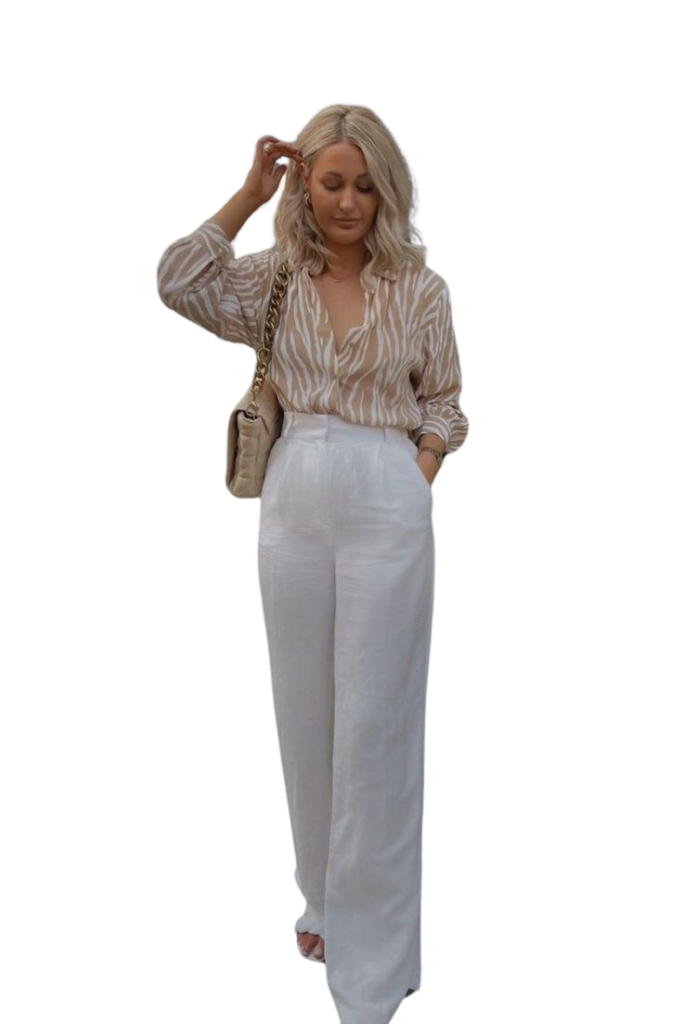
Long waisted women can usually tuck in their tops.
10. Match the colour of your shoes with your pants.
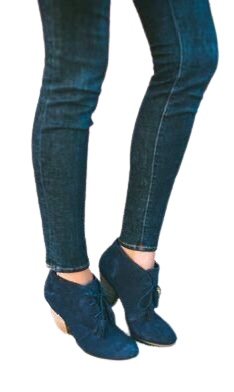
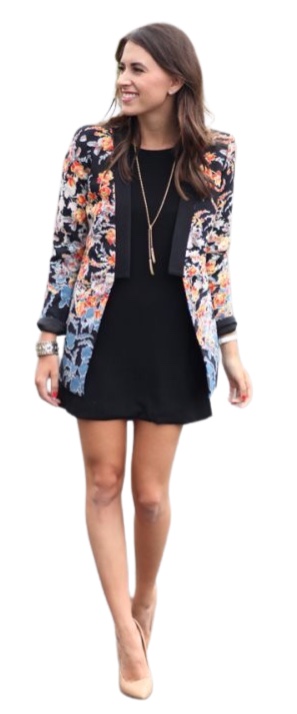
11. When feasible wear heels, even a lower stacked heel or wedge heel can be a good compromise between comfort and style.
12. Choose a low-fronted shoe rather than one that covers your foot.
13.. Shoes with pointed or almond shaped vamps will visually add more length to your leg.
14. Opt for nude or neutral-coloured shoes. These shoes create a seamless transition from your legs to your feet.
AND NOW FOR THE DON’TS.
How to choose your best skirt length is a question many women ask. Once upon a time the length of our skirts was determined by social values, morality and religion. In more recent times fashion also had a say in where our hemlines finished, though it can argued that moral values strongly influenced fashion. As western society has become more liberated and religion’s influence has diminished, women’s hemlines have become shorter and shorter. In the past 100 years acceptable hemlines have moved from the top of our shoes to the top of our thighs. But as the trend upwards continued unabated in the 20th century, it wasn’t until the last 30 years or so that individual taste and preferences dictated the length of our skirts. Prior to this, women wore their skirts at a length deemed to be fashionable; few women dared to break ranks with the current trend. In the 50’s if a woman wore her dresses above the knee she would have been branded as ‘cheap’. In the late 60’s however, if her skirts were knee length or longer a woman was dismissed as a ‘square’ or old fashioned. The length of your skirt had little to do with what suited your legs or your lifestyle, it was all to do with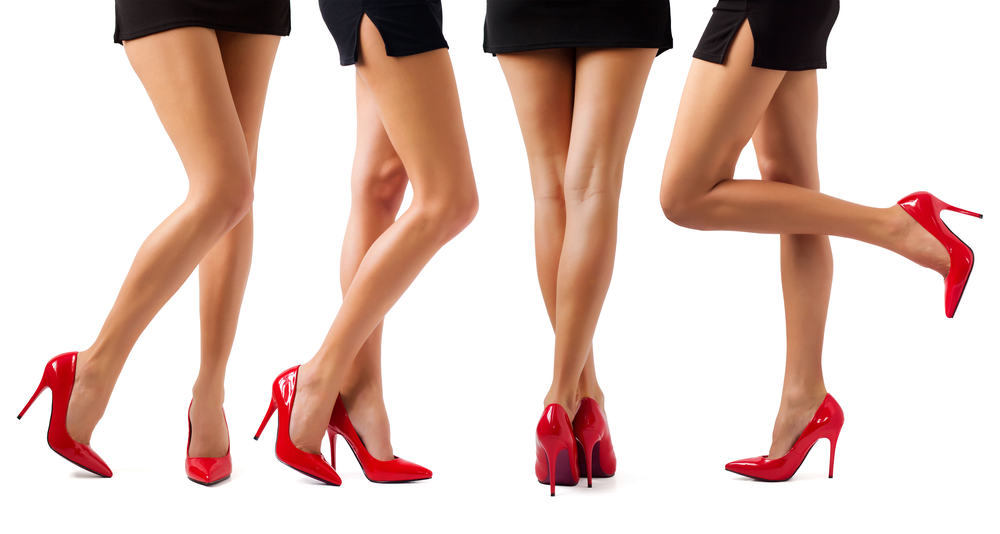 conformity.
Nowadays, I’m pleased to say it’s quite different. Most women would have a range of maxis and/or minis and/or midis in their wardrobe. Comfort and practicality can be as important as aesthetics when we decide the length of our skirts. However, if looking good is a priority, there are a few things to consider when determining how to choose the best skirt length for you.
Hemlines in the main are horizontal lines and wherever we place such a line we broaden that area. So, if you have heavy calves, you would be advised to never end your hems at the widest part of your calf. Opt for above or below. Similarly, if your thighs are heavy, you do yourself no favours by wearing skirts that finish at the widest part of your thigh.
On the other hand, if your lower legs are thin it can actually be helpful to choose a hemline that finishes mid-calf as this can create the illusion of a little more width.
If your legs are not particularly shapely, like my calves for instance then choosing to end your hemlines at a point where the leg narrows can create the illusion of a little more shape.
If your knees are bony, knobbly, soft and pouchy (like mine) or just plain fat, then choosing lengths that are a couple of cms below the knee can be a wise move. In the words of the famous movie mogul, Louis B Mayer, “If it aint pretty, don’t’ show it”.
If you have something to hide, then this can also dictate the lengths you choose.
If you are carrying extra weight and you don’t want to appear heavier than you are hemlines on or slightly below the knee are your most slimming option. Apart from being an elegant length, it helps to elongate your body thus helping you appear slimmer. There is an adage that says, ‘the shorter the hemline the wider the wearer’.
Finally, the length of your skirts affects your apparent vertical proportions. So, if you are quite short or your legs are shorter than your head and torso i.e you are short legged then skirts worn between mid-calf and
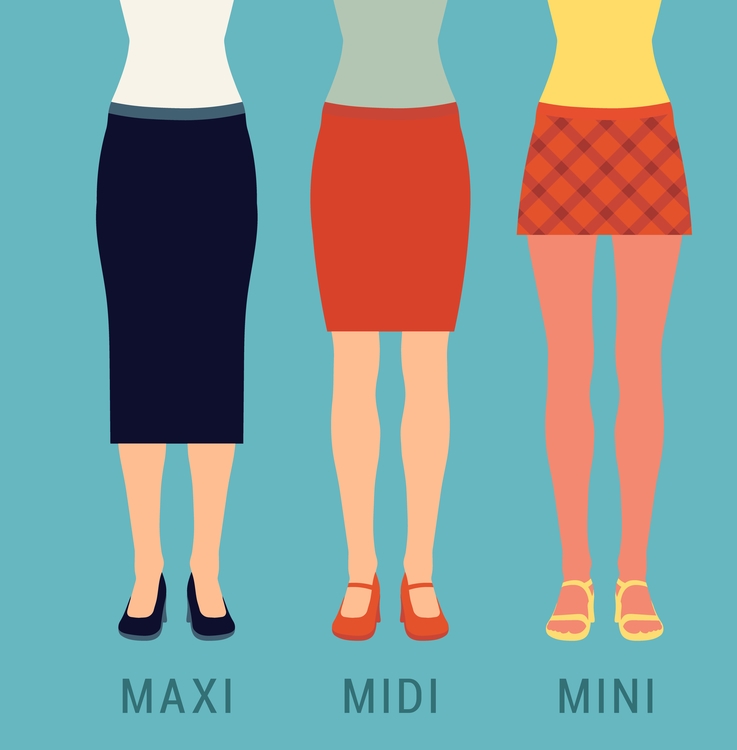
ankle can make you appear even shorter and/or even more unbalanced. Shorter lengths can help you appear taller. Similarly, if you are long-legged with a proportionally shorter torso, ultra short skirts can make you appear even more vertically unbalanced – regardless of how great your legs may be.
Finally, here is a formula for working out your most flattering skirt and dress length. It comes from another stylist and personal shopper’s blog site, Missus Smarty Pants Blog Spot. You might like to check out her articles too.
Here is the "formula" for figuring out your most flattering length:
(You'll need a cloth measuring tape)
You’ll take 2 measurements: from your hipbone straight down the outside of your leg to the middle of your kneecap, and from the middle of your kneecap (outside edge) straight down to the middle of your ankle bone.
Here’s the formula:
(LONGER LEG LENGTH minus SHORTER LEG LENGTH) divided by 2 = X
X is the number of inches above or below the knee your skirt length should be. If your shins are shorter than your thighs, raise your hem X inches above your knee. If your thighs are shorter than your shins, lower the hem X inches below the knee.
Basically you want to visually equalize the length of the upper and lower leg.
So, I did it and here are my calculations...
Hipbone to middle of knee: 24"
Middle of knee to ankle bone: 17"
Difference = 7"
Divided by 2 = 3.5"
So, my IDEAL skirt length can go up or below my knee 3.5"..
by Missus Smarty Pants Style Blog
If you do this little calculation to work out how to choose our best skirt length remember however, all the other points I first mentioned. No point in wearing a length that suits your vertical proportions but makes your legs look wider or shows off wrinkly knees. Well, that’s what I think anyway. You may think entirely differently, and that is your prerogative.
Whatever length you choose to wear your skirts, do so with confidence and aplomb because you will never be stylish if you are not comfortable in your own skin.
Sharron-Del Wakely
Stylist, Colour Analyst and Personal Shopper
