Have you ever looked in the mirror and felt dissatisfied with what you see, yet you’re not too sure what isn’t right? In these instances it is very likely the issue is one of balance, or more precisely, the lack thereof. Balance is defined as the harmonious relation of parts to each other or to the whole. Visual balance exists everywhere in nature, so it should not be surprising that the human eye finds balance aesthetically pleasing; balance is comforting and attractive. Visual imbalance can actually make us feel unsettled, disconcerted or disturbed. Who doesn’t feel compelled to straighten a crooked picture on the wall or rearrange the cushions on a sofa to get the balance right?
Creating visual balance when we dress is an important part of looking fabulous. So, how do we achieve visual balance? Well, the answer comes in two parts.
This means balancing our shoulder line with our hips and our length of leg with our length of torso. To do this we may need to minimise or maximise our bust/waist/ hips/neck. When one element of our body’s shape is disproportionately larger or smaller than the rest of us, balance is lost.
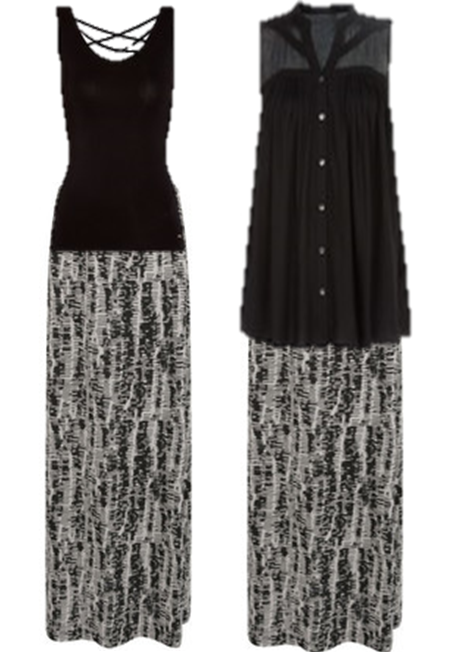
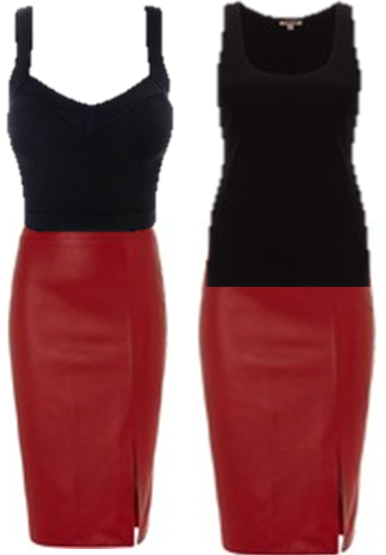
“Have enough difference for interest, but not so much that it creates imbalance”. (Mathis and Connor, 1994). In design, even halves is usually perceived as dull while uneven sections or parts is visually more interesting. This is true in fashion as well.
In dressing, even halves can appear staid, matronly or even frumpy. Uneven divisions between our top and bottom halves, gives us more chance of looking youthful, trendy or edgy.
Here are a couple of (imperfect) examples but hopefully they illustrate the point.
1:2 vs 1:1 ratio 1:2 vs 1:1 ratio
Well, it’s that time of year when one season is slipping away and another is looming on the horizon. That means it’s time to reorganise our wardrobes. Rather than a swag of handy hints, what we offer this time is some food for thought in the hope that it will free up your thinking to clean out your closets and make life a little simpler. The biggest challenge most of us face, is admitting that a garment has had its day. AbFab is very good at helping others dispose of clothing but even we struggle at times to let go of once treasured items. Below are a few questions we ask ourselves because they help us detach from things taking up valuable space in our wardrobe. We hope they can help you too.
“But I bought that beautiful peasant skirt in Mexico 20 years ago when I was foot loose and fancy free.”
“But I was wearing that dress when my husband proposed”.
Girls, get a grip. Haven’t you got some photos you could keep instead? They take up a lot less space.
2. Are you feeling guilty?
“But, that shirt cost me so much money and I was months paying off my credit card.”
“But, it seems so wrong to give away something that was so expensive.”
If those clothes are hanging up in your wardrobe and not being worn by you, that is wasteful. Release them into the universe and let someone who needs them, can fit into them or whatever, get some use out of them
3. Are you being realistic?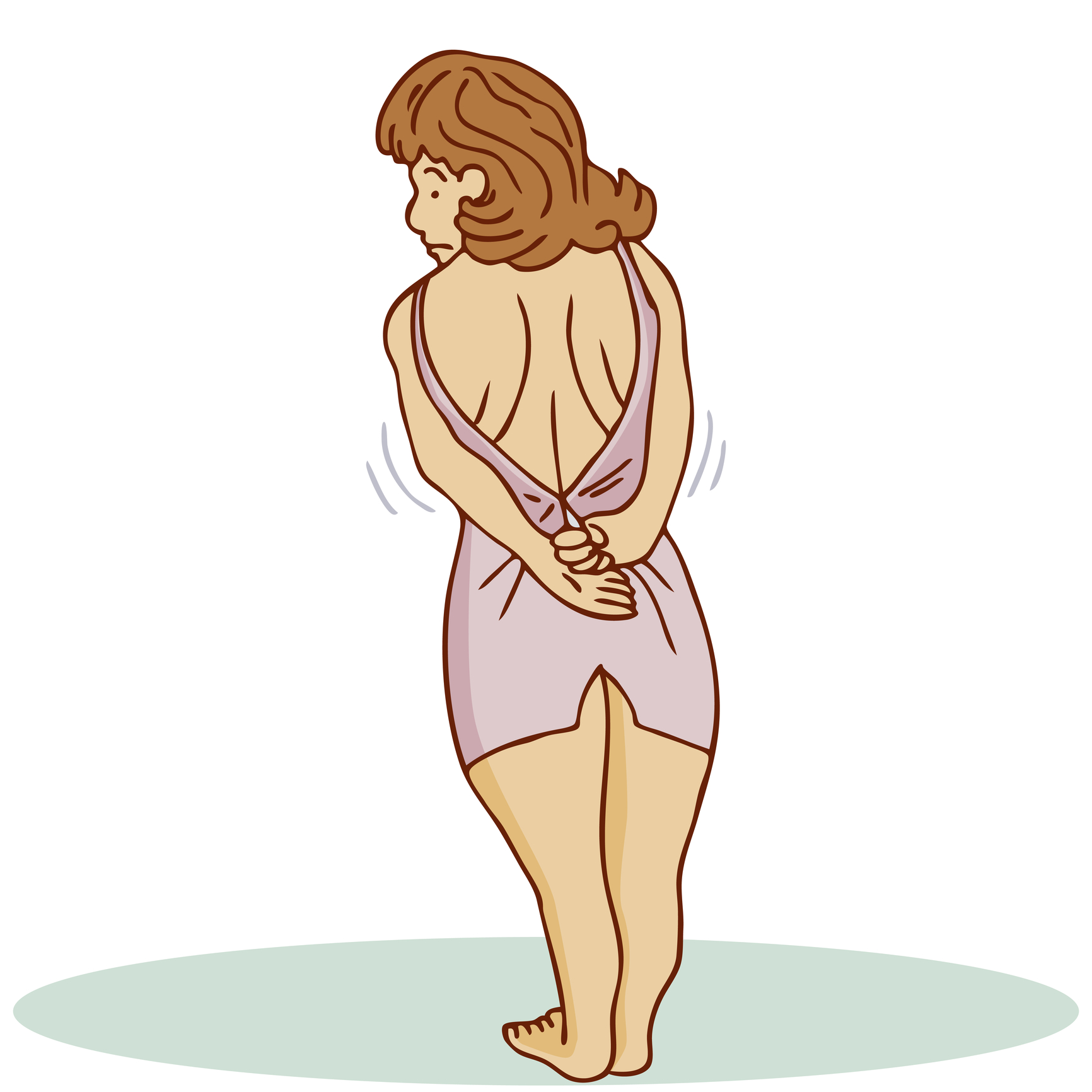
“But if I start doing weight training, I know I will be able to wear those sleeveless numbers.”
“But when I lose the extra weight I have been carrying since the twins were born, yes I know they’re 21, but still if I lose the weight…..”
So, unless you are suddenly and absolutely determined to commit to getting up two hours early every day to work out, to never let another piece of chocolate pass your lips and to never indulge in a few glasses of champagne, then it is time to get real! Those clothes that don’t fit, probably never will. Besides even if they did, they will probably look like refugees from another decade. Move on!
These can be difficult questions to ask ourselves but in the interest of sanity and practicality we need to do so.
Good Luck!
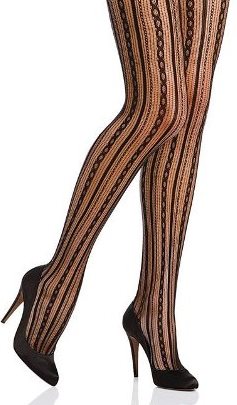
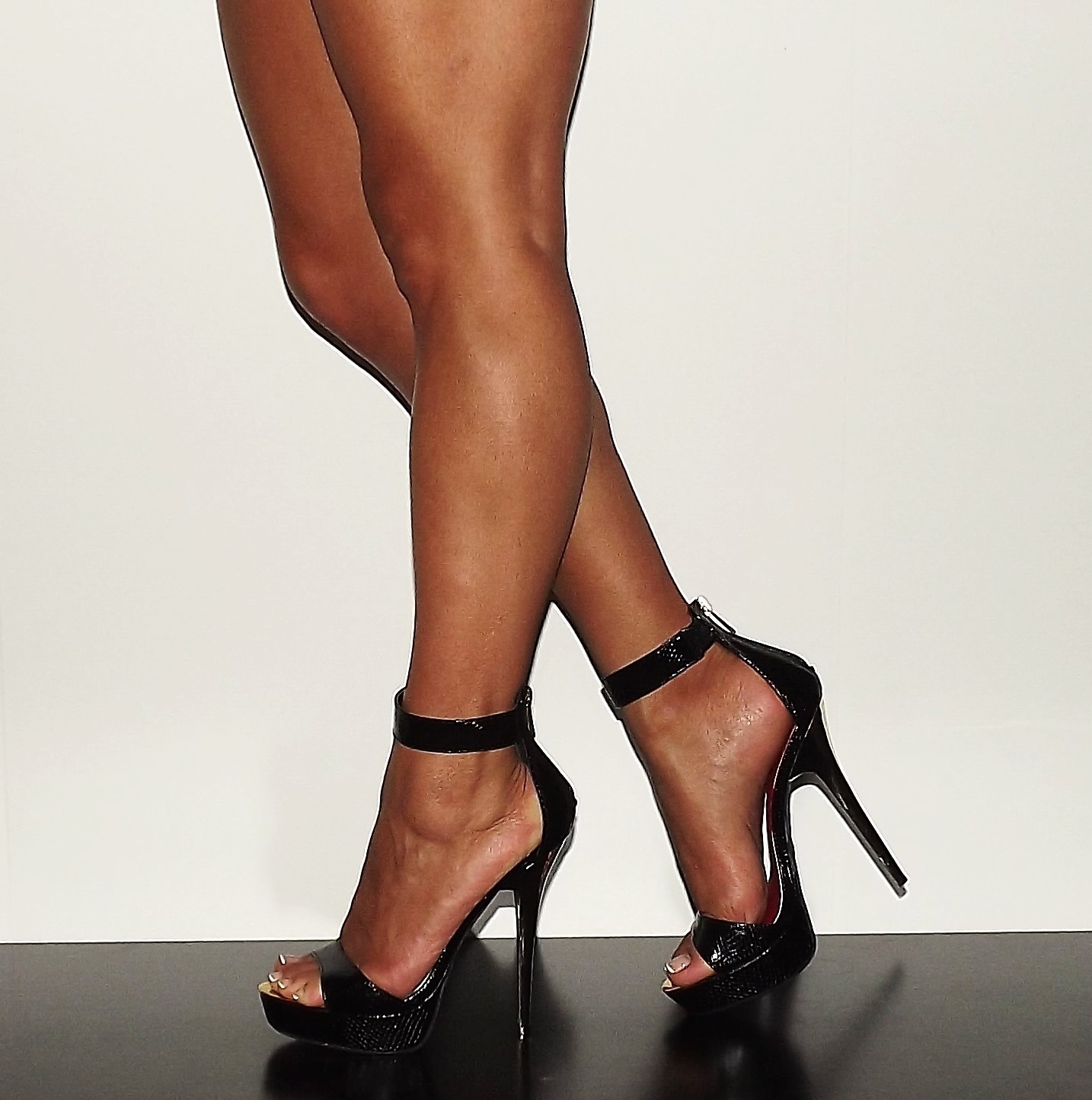
What woman doesn’t want to have a pair of great looking pins? But what we want and what we get in life are often two different things. Some of us are born with long, shapely legs and some of us aren’t. However, there are strategies we can employ and things to avoid doing, in order to make the most of what we’ve got. Here are a few do’s and don’ts to help you have the longest, shapeliest legs possible.
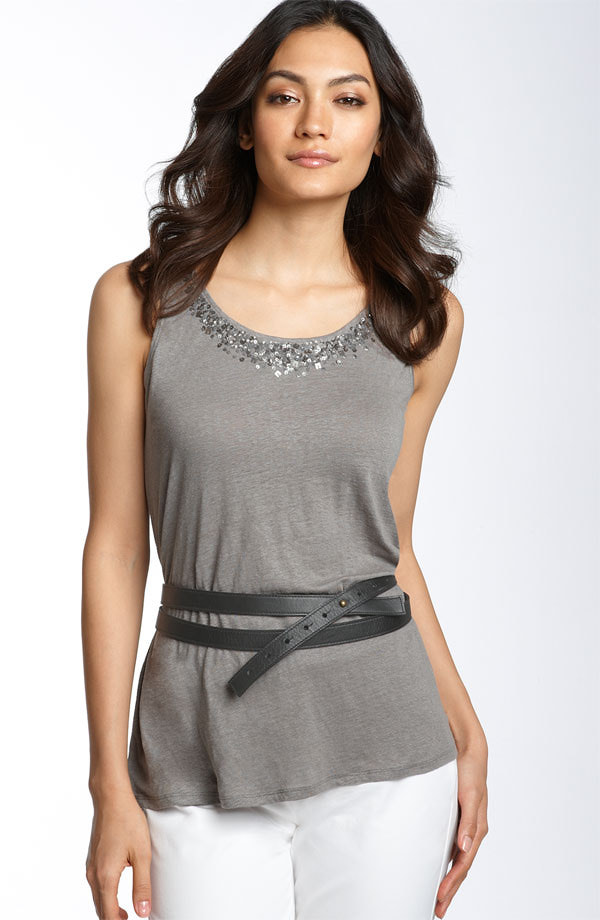
Belts can be functional as well as glamorous, but like most things in fashion they can work for us or against us. When we don a belt we need to be aware that it will be a focal point, meaning it will be eye catching.
Whenever we accessorise, we need to create or maintain our horizontal and vertical balance. Visual balance is such an important element of looking fabulous. How we wear a belt has the capacity to destroy or create our visual balance, so there are three things to consider when wearing one; position, width and colour. When these three factors are right, most women can successfully add a belt for panache and interest.
POSITION.
I. Above the natural waistline will flatter a woman with:

It will be least flattering on a woman who is long waisted.
II. On the natural waistline will flatter a woman with:
It will be least flattering on a woman with minimal natural waist definition.
I. Below the natural waistline will flatter a woman with:
WIDTH
Wide belts are more successfully worn by;
Long bodied women can happily wear a belt directly on the waistline.Thin to medium belts are a better choice for:
COLOUR
By colour we really mean contrast. Some of us will be flattered by belts that contrast strongly with the garment underneath. Others of us will do better to wear a belt in the same colour.
Contrasting belts attract attention. They can highlight a positive attribute and/or draw attention away from another figure challenge.
And please note that most women regardless of weight, shape or vertical proportions, will be flattered by a belt worn under an open jacket or vest.
How many of us would intentionally bring home a packet of self raising flour when we already have 2 kg in the pantry and not a skerrick of cornflour? Or bring home a delectable cheese when we have no crackers to eat with it? Or buy some beluga caviar because it was on special but no one in the house likes the stuff? If this all sounds very silly, can we suggest that many of us do this when we shop for clothes. We buy multiples of the same garment when what we really need is something else entirely. We fall in love with something fantastic, bring it home and have absolutely nothing in our wardrobe to wear with it. We see some designer number reduced to a silly price, we don’t like the colour but hey it’s a bargain.
We waste money and we really shouldn’t it. It has to stop. One of AbFab’s business objectives is to help women stop wasting money.
So, one of the best strategies of course is to see us for a Colour and Style analysis, however in the meantime and even if you have already, here are some strategies to employ before you spend another hard earned cent at your local mall.
Set aside a rainy afternoon, grab a couple of garbage bags and a note pad.
Pull things out, scarves, shoes, jewellery included and start mixing and matching items that you have not considered wearing together. You will probably be amazed at how many ‘new’ outfits you can create without spending a cent. Put things away together or take a photo with your phone. Do whatever works for you to remind you of your new combinations.
This means checking that you have at least one or two of the core garments you need. The quantity and quality will vary from person to person of course but generally we all need.
Put aside those garments and/or accessories that go with nothing else in your wardrobe. Now, decide whether they are worth the investment of more money to acquire what is needed. If the answer is yes, write the items down that you need to buy. If the answer is no, put the orphans in a garbage bag labelled “Give Away”.
Examine your garments and jewellery for signs of wear. If your one good jacket, for example is looking like it has seen better days then it may be time to replace it. Put it in the “Give Away” bag and write it in the notebook.
Check for garments that look like they’ refugees from a past decade. Absolute classic styling doesn’t date but garments that were once very much on trend will usually look dated today. However, before you immediately assume purchasing a replacement is the only course of action, stop to consider if some inexpensive modifications could be made. E.g extra large cuffs made smaller, full sleeves narrowed, hemlines raised or lowered. Alterations in many instances will be a much more cost effective option. Put these items in the other garbage bag labelled “Repairs”. But, if that’s not feasible then put them in the “Give Away” bag and add these items to the notebook.
Now, put the notebook in your everyday tote or handbag. Why? Because when you find yourself in a shopping centre you will have your shopping list with you. It will remind you what you need to buy and what you don’t need to waste your money on!! Take the “Give Away” bag to your local charity shop and take the “Repair” bag to an alteration booth.
It’s a great feeling to detox your wardrobe. Yes it takes a little time, but if you consider the cost savings involved, it’s well worth it. And if you really find it hard to let go of things or look at garments with an objective eye, then AbFab can come and help you clear out the clutter and make room for some fabulous new fashion. Don’t hesitate to call us if you think that’s an absolutely fabulous idea!!
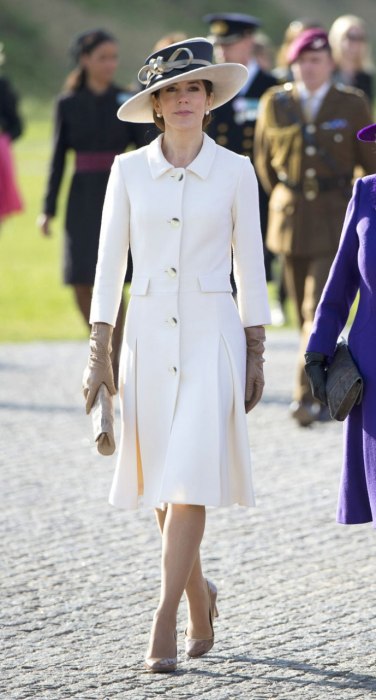 Once upon a time a well dressed woman would always have worn matching shoes and handbag. Well, that fashion edict has long been disregarded and that’s a good thing because shoes wear out while a handbag can last forever. So, in the past this meant women ended up with a wardrobe of orphaned bags, their matching shoes long gone to shoe heaven. The idea of matching bags and shoes came from the need to create connection within an outfit. Random items that relate to no other garment or accessory are exactly that…random! An item such as a handbag or a scarf that has no connection to any other element, may look odd and out of place. Colour is one of the easiest ways to create connection but it does not have to be identical. Connection can also come from items being similar in texture, pattern or motif. When the items we are wearing connect to one, preferably two other items then the eye of the onlooker moves easily between each of them. Visual harmony and balance will be created. And note that our make-up, particularly our lipstick can be one of the connecting elements. Check out Princess Mary of Denmark in this image and notice how your eye travels effortlessly from her shoes to her bag to her gloves without settling on any of them. In this case colour is the connecting element.
Whether you realize it or not, and even whether you like it or not your clothes tell the world many things about you:
These things are subconsciously determined from your clothes. What you wear, how you wear them, their quality and how well you wear them. So if a professional representation is what you want to visually portray, then it is important to get it right the first time. The adage “you never get a second chance to make a first impression” certainly rings true for professional image. In addition to that, psychologists tell us we make these judgments and assessments in less than a minute!
Take a moment to think about the image presented by Colin and Cheryl in their first guise and then how different we may think of them in their second guise after a professional makeover. The only element of change about them is their appearance and yet in the first guise we may make all kinds of dispersions about them.
By appreciating the messages your clothes are sending out about you and realizing that you are in control of those messages you will have made the first step towards achieving your professional image.
Whether we like it or not people who care about their appearance are seen to be more credible and capable than those who don’t care. A well dressed and groomed woman will be seen to have a higher level of intelligence and motivation plus a higher level self-esteem and confidence. She will also be assumed to be more likely to care about, value and be capable of taking on tasks and managing other people than someone who is poorly groomed.
Remember, judgments are made about people based on the professional image they display as a result of appearance and behavior. This occurs even before the individual’s level of competence or performance is determined. In the words of Lauren Morgan Roberts “If you are not managing your own professional image, others are.”
Here are just a few reasons why enlisting in the services of professional image consultants can change the way you look, feel and put you on a new path on how to dress and always look absolutely fabulous.
Wouldn’t we all love to have a personal stylist? Someone like Givenchy who took the young and sweet Audrey Hepburn and transformed her into the magnificent iconic beauty we know her as today. Would Audrey have morphed into such a beauty if she hadn’t been styled by Givenchy? Who knows…. what we do know is that Givenchy and personal stylists generally know how to play up our ‘best bits’ and draw attention away from the ‘not so good bits’.
They say even Audrey Hepburn had issues with her legs and knees. Givenchy knew how to dress Audrey in such a way we didn’t even notice. In fact Audrey Hepburn remains at the top when it comes to icons of style along with women like Princess Dianna and Jackie Onassis. While such women may have innate style, would they have achieved their true visual potential if they had not been guided by a personal stylist?
Some fortunate individuals are born with good taste and style; they have a natural sense of colour and design. Many of us are not so lucky or naturally gifted. We learn what we can from those who influence us in our lives, from magazines or simply by trial and error. Which is why in so many cases we end up with a wardrobe full of clothes but “we have nothing to wear”! That’s why a personal stylist is worth the investment.
Before a stylist dresses an individual they consider the following:-
Under their tuition they will help you to develop a style that reconciles with what suits your height, shape and age from what’s currently in fashion and to understand which looks are appropriate for which occasions. You will learn to co-ordinate colours, patterns and which fabrics drape well on your body shape. The gaining of this knowledge will give you the confidence to become creative with your wardrobe. Then dressing will become a pleasure and shopping a dream.
Karen Before A Personal Stylist
Karen After A Personal Stylist